








Why Procurement Contract Management Is Changing ?
- A single missed renewal clause.
- An auto-extension at outdated pricing.
- A supplier quietly failing to meet agreed service levels—undetected for months.
These are not rare edge cases. They are common outcomes in organizations that still manage procurement contracts manually.
According to research by World Commerce & Contracting, organizations lose an average of 9% of total contract value every year due to poor contract management practices. This loss is driven by missed obligations, weak governance, pricing leakage, and limited visibility. In low-maturity environments, the erosion of value can exceed 15% annually.
In today’s operating environment, this approach is no longer sustainable.
Procurement leaders are operating under Long-term pressure. Supply chains remain unstable. Regulators are becoming stricter in many regions and industries. Inflation and unstable costs call for more regulations and shorter renegotiation periods. At the same time, leadership expects procurement to collaborate seamlessly with legal and finance while delivering measurable, defensible value.
Manual procurement contract management is no longer just inefficient—it is a material business risk.
The impact of this risk can be seen in daily operation:
- Missed renewals erode negotiated savings.
- Approval delays slow sourcing initiatives.
- Poor version control increases legal exposure.
- Not tracking obligations reduce supplier accountability.
This truth is causing a major change. Organizations are reconsidering how they write, administer, watch over, and improve procurement contracts. Instead of being static documents, they are now seen as strategic assets supported by digital technology.
What Is Procurement Contract Management?
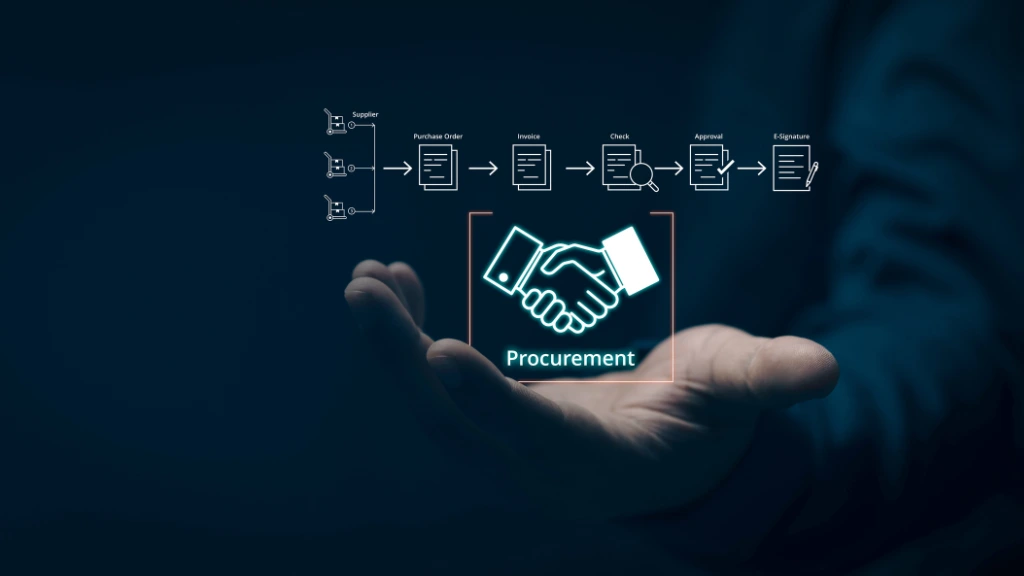
Procurement Contract Management is the structured process of creating, executing, tracking, and optimizing supplier contracts across their entire lifecycle—from initial request and negotiation through approval, execution, renewal, amendment, or termination.
Unlike basic document storage, modern procurement contract management make sure helps contracts deliver real value, protections, and performance.
A mature approach provides:
- Visibility into contractual obligations and milestones
- Governance over approvals, changes, and versions
- Risk mitigation through standardization and auditability
- Ongoing monitoring of supplier commitments
At its core, procurement contract management connects legal intent with operational execution. Contracts become working instruments that guide day-to-day supplier relationships rather than static records archived after signature.
Why Manual Procurement Contract Management Fails at Scale
Manual tools may appear manageable in low-volume environments, but they break down quickly as contract volumes, stakeholders, and regulatory complexity increase.
Fragmented Visibility
When contracts are scattered across folders, inboxes, and personal drives, procurement teams lack a complete and reliable view of active agreements. Simple question about renewal and risk becomes hard to answer.
This fragmentation forces procurement into a reactive posture and limits its ability to manage risk and value proactively.
Slow, Unstructured Approvals
Emails approval processes cause delays, version confusion, and accountability gaps. Contracts stall while stakeholders search for the latest version or await responses. Procurement professionals spend time coordinating rather than advancing sourcing strategy.
Missed Renewals and Obligations
Spreadsheets and calendar reminders are unreliable at scale. Missed notice periods result in unwanted auto-renewals. Performance obligations in contracts are rarely checked regularly, allowing underperformance to remain unnoticed.
Compliance and Audit Exposure
In regulated or multi-jurisdictional settings, manual processes make it difficult to demonstration compliance, the enforcement of standard clauses, and the creation of defensible audit trails. Risk is no longer handled; it becomes latent.
Main Parts of a Modern System for Managing Procurement Contracts
A modern procurement contract management system introduces structure, automation, and intelligence across the contract lifecycle.
Centralized Contract Repository
A centralized contract repository keeps all procurement contracts, changes and related documents in one safe place. Contracts are stored safely, searchable, and available to authorized stakeholders.
This removes duplicate copies, improves transparency across teams, and greatly reduces time needed to find document.
Workflow and Approval Automation
Automated approval workflows replace email-based routing with structured, rule-driven processes aligned to procurement policies and authority thresholds.
The result is faster cycle times, clearer ownership, and consistent governance—without sacrificing control.
Renewal and Obligation Tracking
Automated tracking helps team to be aware of renewal dates, notice periods, price reviews, and performance requirements are actively monitored rather than hidden in documents or spreadsheets.
This capability protects negotiated value and prevents avoidable financial leakage.
Compliance and Risk Controls
Standard clause libraries, version control, audit trails, and role-based access reduce legal and regulatory risk while improving audit readiness. Changes from standard terms become visible, intentional, and governed.
Analytics and Insights
Structured contract data allows teams to analyze spending trends, supplier performance, and risks across categories and regions. Contracts move from static records into a valuable source of operational and strategic insight.
Who Needs Procurement Contract Management Software?
Procurement contract management software is essential for organizations that:
- Handle a lot of contracts with suppliers
- Work in more than one region or regulatory environment
- Deal with frequent renewals, changes, or price changes
- Face approval delays or limited contract visibility
Primary stakeholders typically include procurement, legal, compliance, finance, audit, and operations teams. Value is maximized when all functions work from a shared system and consistent processes.
The Business Impact of Digitizing Procurement Contract Management
Digitizing the management of procurement contracts leads to demonstrable results:
- Streamlined approvals make it easier to find and carry out tasks more quickly.
- Less money lost by avoiding missed renewals and uncontrolled commitments
- Improved compliance and audit readiness with centralized governance
- Stronger supplier accountability through visible performance commitments
- More dependable contract data can help in making a better decision
Together, these outcomes position procurement as a strategic contributor rather than a transactional function.
How Lexzur CONTRA Supports Procurement Teams
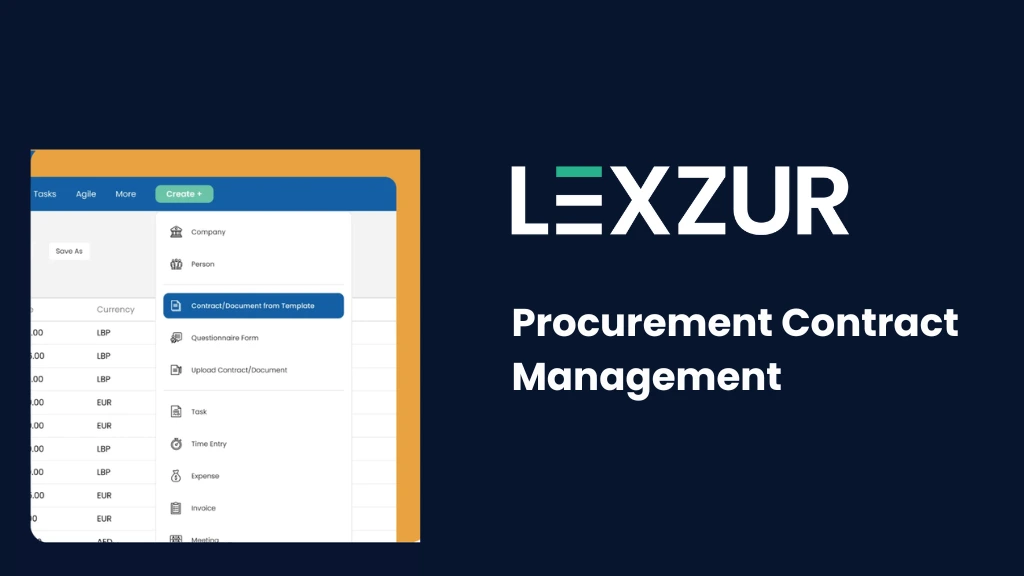
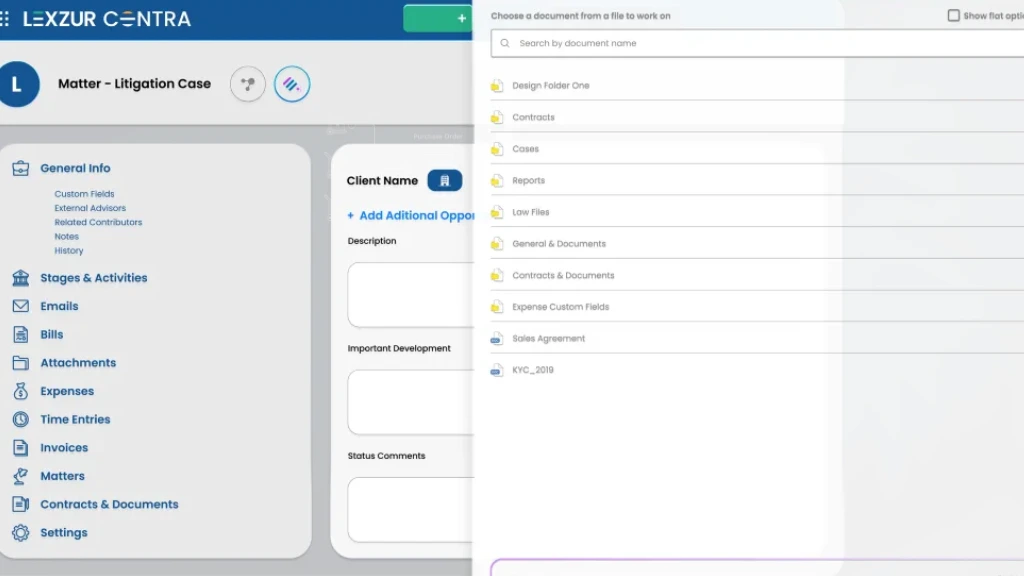
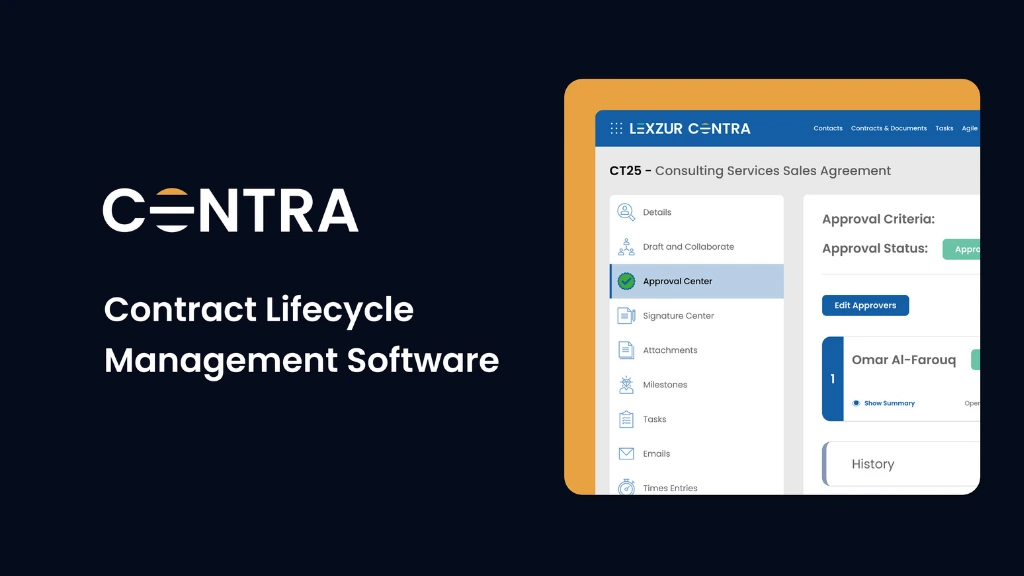
CONTRA is supposed to enable procurement teams move from handling contracts by hand and reacting to them to managing them automatically and with insight.
Key capabilities include:
- A convenient place to store procurement contracts
- Approval workflows that may be changed to fit procurement policies
- Alerts for renewal and obligations
- Real-time collaboration between procurement, legal, and finance
- Contract analytics and performance visibility
CONTRA is part of Lexzur’s broader ecosystem and integrates seamlessly with its practice management system, enabling enterprise-grade control, scalability, and governance.
Instead of pushing procurement to follow traditional legal processes, CONTRA is based on how procurement procedures actually work in real life.
Trusted by a Global Investment Organization
SEDCO Holding (Saudi Arabia & Global)
SEDCO Holding is a global investment organization focuses on ethical and sustainable investing, with activities in real estate, healthcare, education, asset management, and hospitality.
Before adopting Lexzur’s platform, contract and legal workflows relied heavily on traditional, manual processes. This created fragmentation, limited visibility, and administrative overhead across teams.
SEDCO transitioned to a more organized, collaborative, and efficient approach of handling contracts by using Lexzur’s digital ecosystem, which includes CONTRA for CLM.
The organization achieved:
- Improved visibility into contracts and related work
- Reduced manual coordination and follow-ups
- Stronger collaboration across functions
- A scalable foundation for long-term contract lifecycle maturity
The management of SEDCO called the change a step toward a “smart way of working” that would help with efficiency, governance, and long-term growth.
CONTRA vs. Traditional and Competing Approaches
| Capability | Manual tools | Generic CLM | CONTRA |
|---|---|---|---|
| Centralized contracts | ❌ | ✅ | ✅ |
| Procurement-specific workflows | ❌ | Limited | ✅ |
| Renewal and obligation alerts | ❌ | ✅ | ✅ |
| Cross-functional collaboration | ❌ | Partial | ✅ |
| Actionable analytics | ❌ | Limited | ✅ |
What makes CONTRA stands out is that it supports real-world procurement needs, not only storing legal documents.
Key Requirements When Selecting Procurement Contract Management Software
When evaluating solutions, procurement leaders should make sure that the platform offers:
- Safe, centralized storage for contracts
- Customizable approval that fit your processes
- Monitoring Renewal and requirements
- Integration with procurement and finance systems
- Reporting and analytics
- Scalability as contract volumes grow
Adoption and usability are as important as technical capability.
Start with Clarity
If your procurement team still relies on spreadsheets or email-based approvals, the first step forward does not need to be disruptive.
Start with clarity.
Practical next steps include:
- Book a demo aligned to real procurement workflows
See how approvals, renewals, and collaboration work in practice.
A smart step today can protect millions in contract value tomorrow and help procurement drive a strategic long-term strength and performance.
Frequently Asked Questions (FAQ)
Procurement contract management software is a digital application that enables businesses make, keep, approve, track, and evaluate supplier contracts from beginning to end. It replaces spreadsheets and email-based processes with one central system , automated processes, and clear contract insights. Examples include procurement-focused platforms such as CONTRA by Lexzur, which are built to support sourcing and supplier agreement workflows.
Procurement teams handle many supplier contracts, regular renewals, and detailed obligations. Manual tools make it difficult to track deadlines, ensure compliance, and maintain visibility. Contract management software reduces risk, speeds up approvals, and helps ensure contracts deliver the value negotiated.
Procurement contract management focuses specifically on supplier agreements, sourcing approvals, renewals, and performance tracking. Generic CLM tools are often legal-centric, while procurement-focused systems prioritize operational efficiency, cost control, and collaboration between procurement, legal, and finance teams.
Yes. Modern systems centralize contracts, automate approval routing, and send alerts for renewals and obligations—eliminating the limitations of spreadsheets and fragmented email threads. Procurement teams gain real-time visibility and better control over supplier agreements.


Leave a comment